










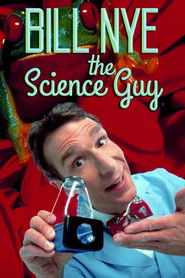
Bill Nye the Science Guy (1993–1998)
Plot
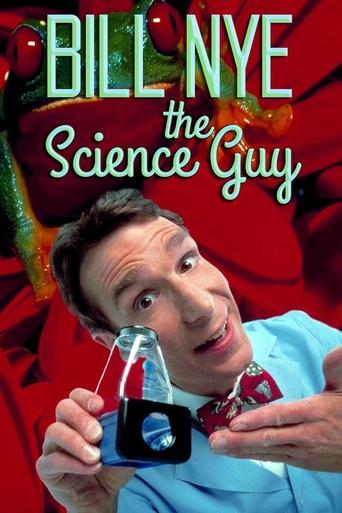
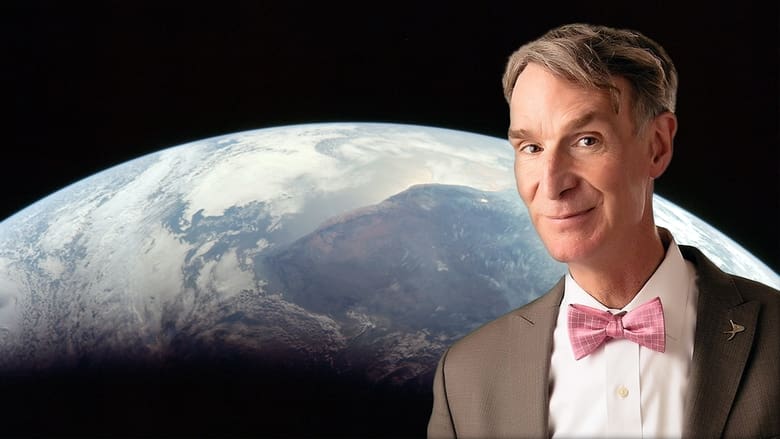
It's "Mr. Wizard" for a different decade. Bill Nye is the Science Guy, a host who's hooked on experimenting and explaining. Picking one topic per show (like the human heart or electricity), Nye gets creative with teaching kids and adults alike the nuances of science.
Before you go
Never miss Bill Nye the Science Guy
We'll email you the moment Bill Nye the Science Guy is renewed, cancelled or gets a premiere date. No account, one-click unsubscribe.
Episodes by season
Season01
- S01E01
 FlightSeptember 10, 1993—Things that fly need air. Even though we walk through it, breathe it, and sneeze it, air seems to be a whole bunch of nothing. But air is
 - S01E02
 Earth's CrustSeptember 17, 1993—Don't just go with the flow. Settle down on the crust. Imagine a world without any crust. There would be no pies, just goopy filling, no b
 - S01E03
 DinosaursSeptember 24, 1993—We can dish the real dirt about dinosaurs, thanks to fossils - traces of theses astonishing animals. Dinosaurs did not print newspapers. T
 - S01E04
 SkinOctober 1, 1993—Learning about skin science is no sweat. It's gigantic. It's gargantuan. It's your skin. It's your body's biggest organ. If you could lay
 - S01E05
 BuoyancyOctober 8, 1993—A hot-air balln ride and a trip to the aquarium help Bill Nye explain why things float
 - S01E06
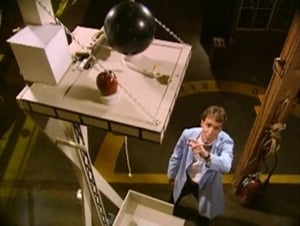 GravityOctober 15, 1993—Next time you throw a ball in the air, and it doesn't fly off into outer space, thank gravity. Right now, you and everything in the room w
 - S01E07
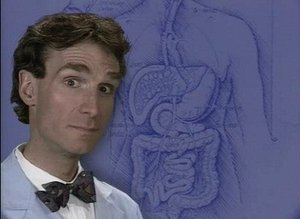 DigestionOctober 22, 1993—Take time to digest this show. They say that your food is no more inside you than a pencil is inside a donut, when it's poked through th
 - S01E08
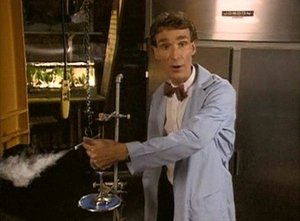 Phases of MatterOctober 29, 1993—Bill Nye is going through a phase - a phase of matter. Check out the ""Phases of Matter"" episode to find out about rock-solid solids, liq
 - S01E09
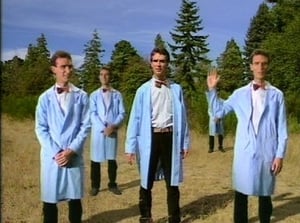 BiodiversityNovember 5, 1993—Ecosystems are areas where things live. Ecosystems that are biodiverse are home to a variety of plants and animals. A healthy ecosystem is
 - S01E10
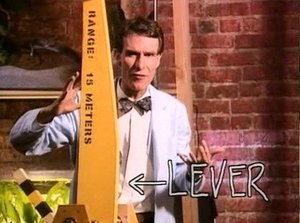 Simple MachinesNovember 12, 1993—Learning about science can be hard work, but simple machines can make it easier. Let Bill Nye push and pull you around ramps, levers, scre
 - S01E11
 The MoonNovember 19, 1993—Let the moon master Bill Nye teach you the ancient and not-so-ancient secrets of the Moon. Wax on, wax off. The Moon grows bigger (waxes)
 - S01E12
 SoundNovember 26, 1993—Listen up, scientists. Bill Nye is here to make some noise in the ""Sound"" episode. Your vocal cords do it. Speakers playing rock music d
 - S01E13
 GarbageDecember 3, 1993—Garbage is a look at two different kinds of garbage -- biodegradable and non-biodegradable. Nye emphasizes the importance of recycling and c
 - S01E14
 StructuresDecember 10, 1993—Are you tense? Need some structure to your life? Then tune in to Bill Nye the Science Guy as he explains the science of structures. All
 - S01E15
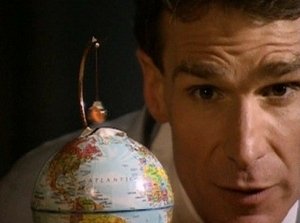 Earth's SeasonsDecember 17, 1993—It doesn't matter if it's spring, summer, winter, or fall - Bill Nye is always in season. Every year, we experience the seasons. Some mont
 - S01E16
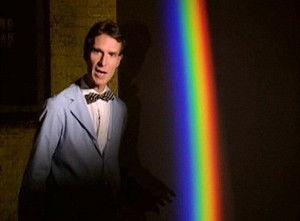 Light & ColorDecember 24, 1993—Lighten up. It's the ""Light and Color"" episode. Without light, we wouldn't be able to see. It would be like living in a room with no win
 - S01E17
 CellsJanuary 21, 1994—You can't see them, but they're everywhere even inside Bill Nye. This is not science fiction, it's the science of cells. All things that
 - S01E18
 ElectricityJanuary 28, 1994—It's time for Bill Nye to shed a little light on electricity. Electricity might seem mysterious, but once you understand the science the l
 - S01E19
 Outer SpaceFebruary 4, 1994—The show is way out there, way far away. After all, it's in Outer Space. When you look at the night sky on a clear dark night, you can see
 - S01E20
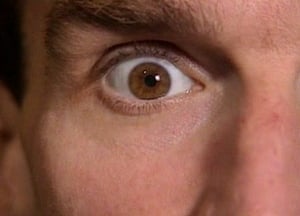 EyeballFebruary 11, 1994—Look no further ... Bill Nye is on the ball - the eyeball. For their small size, your eyes do an important job. By working with your brain
Season02
- S02E01
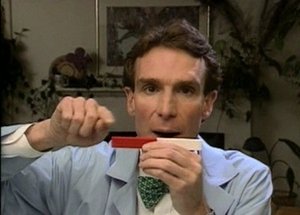 MagnetismFebruary 18, 1994—Magnetic fields; how to make a compass; why opposites attract.
 - S02E02
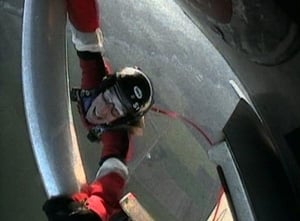 WindFebruary 25, 1994—The relationship between the Earth, the sun, the wind and the weather. Guest: "Today" weather reporter Willard Scott.
 - S02E03
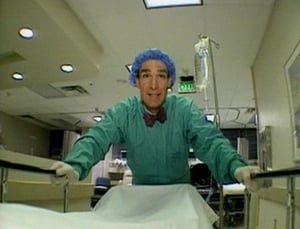 Blood & CirculationMarch 4, 1994—It's time for a heart-to-heart talk about blood and circulation with Bill Nye the Science Guy. Your blood is your bud. Without blood, your
 - S02E04
 Chemical ReactionsMarch 11, 1994—Bill and actress Candace Cameron use fire to demonstrate what chemical reactions are.
 - S02E05
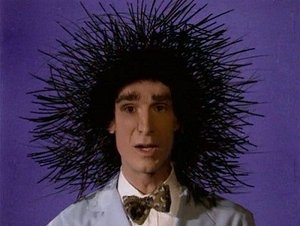 Static ElectricityMarch 18, 1994—Actress Elaine Miles and Bill Nye explain why static electricity makes clothes stick together.
 - S02E06
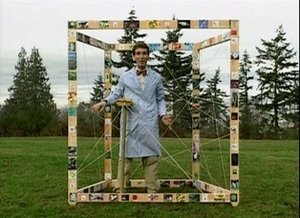 Food WebMarch 25, 1994—Feeling a little hungry? Then grab a snack and watch Bill Nye the Science Guy's episode on the Food Web. When it comes to eating, all li
 - S02E07
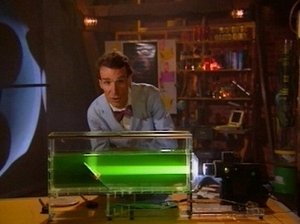 Light OpticsSeptember 10, 1994—Don't stay in the dark - Bill Nye will help you absorb the science of light optics. Light is energy that normally moves in a straight line,
 - S02E08
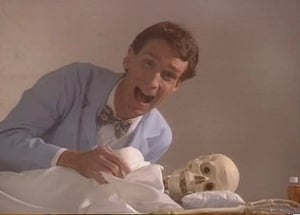 Bones & MusclesSeptember 17, 1994—In this show, you can Bone up on Muscles. When you clicked on the Nye Labs web site to read this, you used your bones and muscles. Without t
 - S02E09
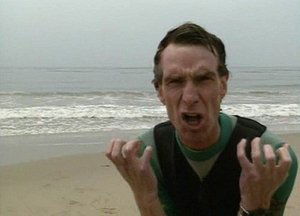 OceanographySeptember 24, 1994—Surf's up! Get the current information as Bill Nye explains why oceans are salty and explores the ocean currents. Go with the flow of ocean
 - S02E10
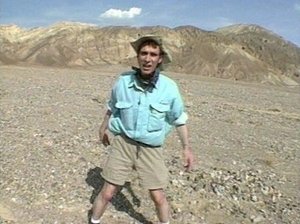 HeatOctober 1, 1994—Things sure are heating up at Nye Labs. Snow cones, flowers, hot dogs, people -- everything is made of molecules. No matter what they're in,
 - S02E11
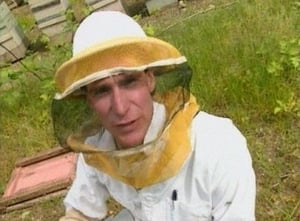 InsectsOctober 8, 1994—Bill Nye's not here to bug you - he just wants to tell you about insects. Do you know when you're looking at an insect? All insects have six
 - S02E12
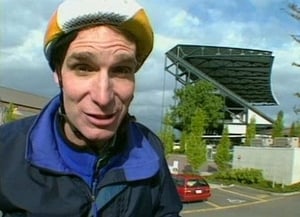 BalanceOctober 15, 1994—Bill Nye's going to use the force to pull you into the world of balance. A force is a push or a pull. You can feel a force when someone push
 - S02E13
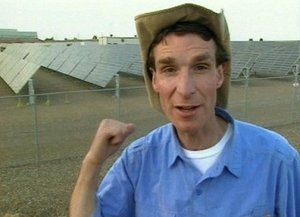 The SunOctober 22, 1994—The Sun is huge. It's bigger than huge. It's so big that 1.3 million Earths would fit inside a hollowed-out Sun. It's really far away, too -
 - S02E14
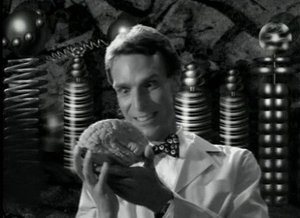 BrainOctober 29, 1994—Bill Nye looks at how the brain controls the body and stores information
 - S02E15
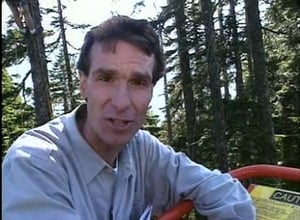 ForestsNovember 5, 1994—In Bill Nye the Science Guy: Forests, Nye shows students the levels of a forest, which include the canopy, the under story, and the floor. H
 - S02E16
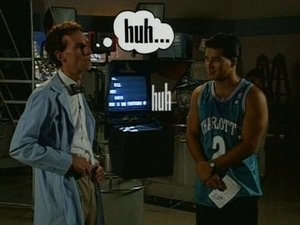 CommunicationNovember 12, 1994—In this program, Bill points out the different ways in which humans and animals exchange information. He also talks about the ability of hum
 - S02E17
 MomentumNovember 19, 1994—The momentum of a moving thing, like you riding your bike, depends on how much mass you and your bike have and how fast you’re speeding down
 - S02E18
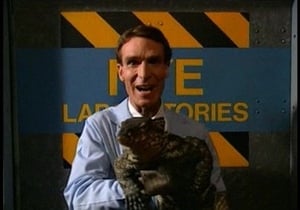 ReptilesNovember 26, 1994—Bill Nye teaches us about reptiles.
 - S02E19
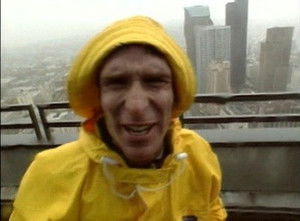 AtmosphereDecember 3, 1994—The air that surrounds Earth is called the atmosphere. Compared to the size of the Earth, the atmosphere is very, very thin. It’s made from
 - S02E20
 RespirationJanuary 7, 1995—How breathing supplies the body with the oxygen it needs
Season03
- S03E01
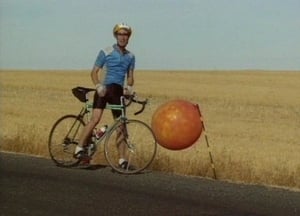 Planets & MoonsJanuary 14, 1995—Each planet is different. They are all different sizes – Pluto’s the smallest, and Jupiter’s the biggest. They come in a variety of colors –
 - S03E02
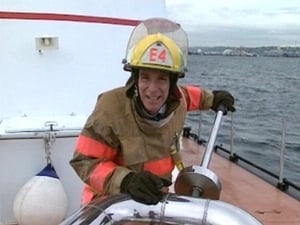 PressureJanuary 21, 1995—When you push something, you’re using pressure. Pressure depends on two things – the power of the push and the area that’s being pushed on.
 - S03E03
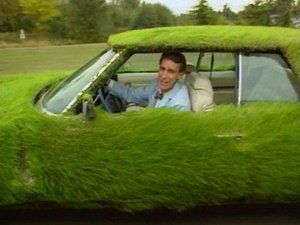 PlantsJanuary 28, 1995—A plant’s recipe for food has only three main ingredients: sunlight, carbon dioxide, and water. When plants make their food, they give off w
 - S03E04
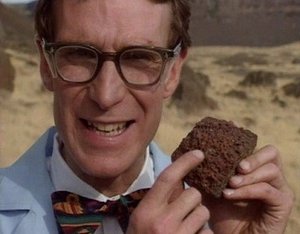 Rocks & SoilFebruary 3, 1995—We live on top of rocks – the Earth’s surface. There are three basic types of rocks — igneous, sedimentary, and metamorphic — and each type
 - S03E05
 EnergyFebruary 10, 1995—Energy can change forms. Your body changes the energy in food into energy you can use to do things. Dams turn the energy in falling water in
 - S03E06
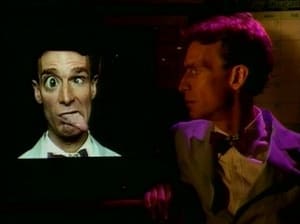 EvolutionFebruary 17, 1995—All living things have genes, which are like little sets of blueprints. Genes have information about the color of your eyes, the shape of yo
 - S03E07
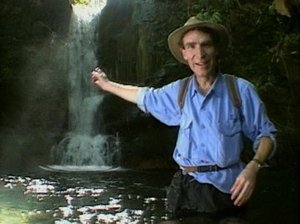 Water CycleMarch 24, 1995—About 70% of the Earth’s surface is covered in water, and almost all of that water has been around since the Earth formed billions and billi
 - S03E08
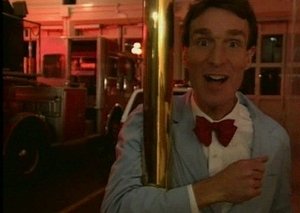 FrictionMarch 31, 1995—Friction is a force that slows moving things down and turns the moving energy into heat energy. When two things rub together, like your bike
 - S03E09
 GermsApril 7, 1995—Don’t panic, but germs are all around you. Germs are bacteria, viruses, protozoa, and fungi, very small one-celled organisms. Your skin keep
 - S03E10
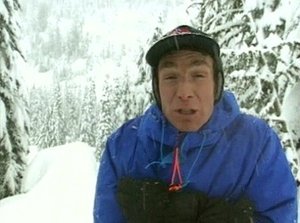 ClimatesApril 14, 1995—There are lots of different climates all over the world. Deserts are warm and dry. Temperate forests are cold and wet. Tropical rain forests
 - S03E11
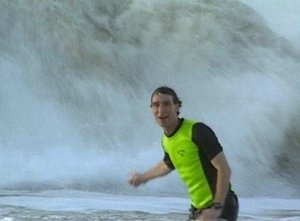 WavesApril 21, 1995—Energy, things like light, heat, and sound, moves in waves. You’ve probably seen waves in the ocean, or ripples when you throw a rock in a p
 - S03E12
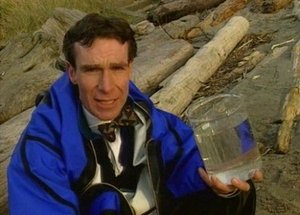 Ocean LifeApril 28, 1995—There’s an amazing amount of living things in the ocean. There are fish, sharks, flowers, whales, squid, sea plants, sea anemones, sea otter
 - S03E13
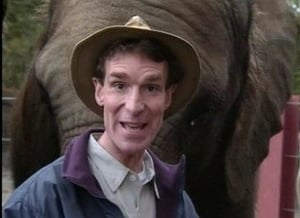 MammalsSeptember 8, 1995—Mammals - They're (sometimes) big, they're hairy, and they're warm-blooded. From human being to moose and from cats to rats, Bill Nye explai
 - S03E14
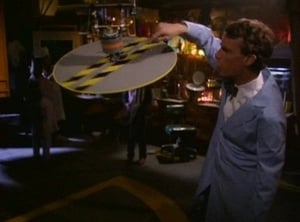 Spinning ThingsSeptember 15, 1995—A lot of things spin – bike wheels, footballs, hard disks in your computer, and even the Earth – they’re all twirling around. Spinning thing
 - S03E15
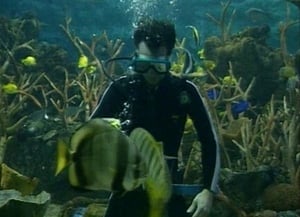 FishSeptember 22, 1995—More than 22,000 different species of fish live in the oceans, lakes, and rivers of the world. Fish come in all shapes and sizes. Some eat w
 - S03E16
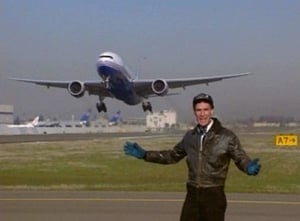 Human TransportationSeptember 29, 1995—Transportation is all about moving people and their things. You can transport yourself around using your feet, a bike, a car, a train – anyt
 - S03E17
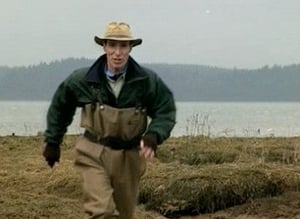 WetlandsOctober 6, 1995—Wetlands are not just home to different animals and plants, but they also control flooding and help keep the Earth’s water clean. Flood wate
 - S03E18
 BirdsOctober 13, 1995—Scientists believe that birds evolved from reptiles. Birds have backbones, and they lay eggs, but they’ve developed a unique feature that se
 - S03E19
 PopulationsOctober 20, 1995—Populations need a couple of basic things to survive – food and a place to live. When two or more populations of living things are crowded i
 - S03E20
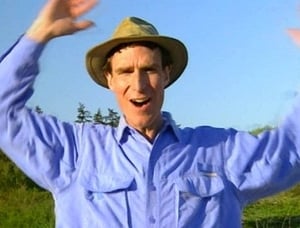 Animal LocomotionOctober 27, 1995—Some animals have wings that let them fly and hover. Other animals have legs, from two to more than 200, to get them walking, galloping, or
Season04
- S04E01
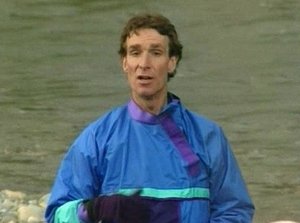 Rivers & StreamsNovember 3, 1995—Water is massive; rivers are powerful. As rivers flow downhill, they wear away rock and soil to form canyons or winding curves in the land,
 - S04E02
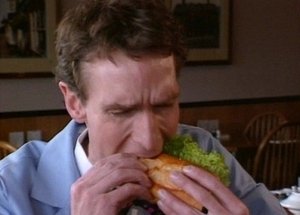 NutritionNovember 10, 1995—All food, whether it’s protein, fat, carbohydrates, vitamins, or minerals, is made of chemicals. When your body gets a hold of these chemica
 - S04E03
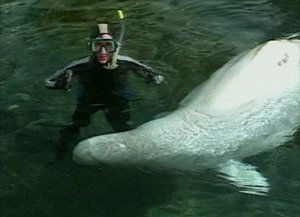 Marine MammalsNovember 17, 1995—Whales, dolphins, otters, walruses, and orcas are just like us, they’re mammals. Well, they’re not just like us. They live in the ocean. The
 - S04E04
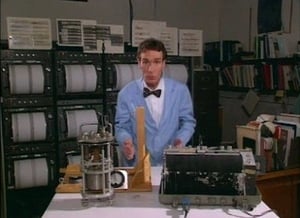 EarthquakesNovember 24, 1995—Earthquakes happen when pieces of land in the Earth’s crust scrape together. The crust of the Earth is made of big slabs of land called plat
 - S04E05
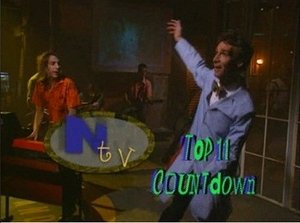 NTV Top 11 Video CountdownDecember 1, 1995—Join Bill Nye as he counts down the hits from the Soundtracks of Science. Along with the music, Bill does a few new experiments on the lab b
 - S04E06
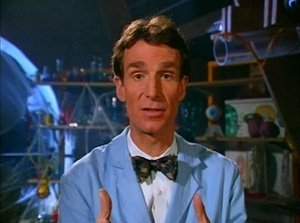 SpidersJanuary 5, 1996—Be sure to get this straight: spiders are not insects, they’re arachnids. Spiders have eight legs, and insects have only six. Spiders have t
 - S04E07
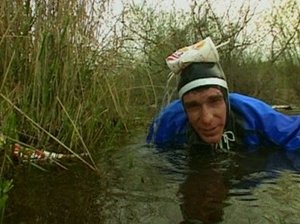 Pollution SolutionsJanuary 12, 1996—Dirty water, land, and air are a result of pollution. People are the only animals on Earth that make pollution. Garbage, burning fuel, chemi
 - S04E08
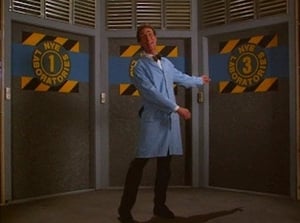 ProbabilityJanuary 19, 1996—Probability is a way to measure how likely it is that something will happen. Probabilities are predictions. They’re often just very careful
 - S04E09
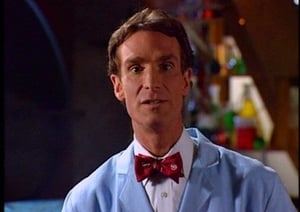 PseudoscienceJanuary 26, 1996—People once thought that world was flat or nearly flat. It was considered a bit crazy to think of it as a big ball. But it is. You can prove
 - S04E10
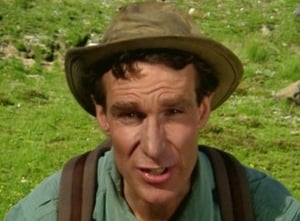 FlowersJanuary 27, 1996—Flowers are an important part of many plants. Plants use flowers to make other plants – to reproduce. Flowers have special parts, called sta
 - S04E11
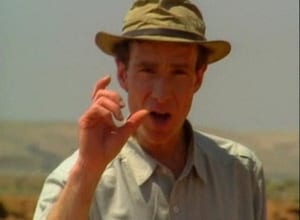 ArchaeologyJanuary 28, 1996—Archaeologists are kind of like detectives. They’re scientists who snoop through old or ancient people’s things to find out what life was li
 - S04E12
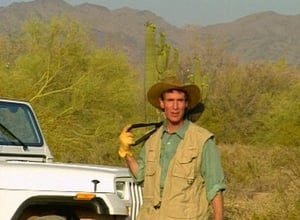 DesertsJanuary 29, 1996—About 20% of the Earth is a desert. Deserts are places that get very little precipitation (rain or snow) each year, and that makes them extr
 - S04E13
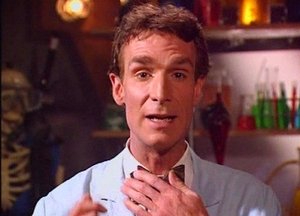 AmphibiansJanuary 30, 1996—Frogs, toads, salamanders, newts, and caecilians (worm-like animals that have backbones) are all amphibians, animals that spend part of thei
 - S04E14
 VolcanoesJanuary 31, 1996—Volcanoes are mountains made from molten rock. The Earth’s crust is divided into big slabs, called plates, which are slowly moving all the t
 - S04E15
 InvertebratesFebruary 7, 1996—Worms, squid, clams, and flies are spineless creatures. They’re not afraid, they’re invertebrates – animals that don’t have backbones. Inver
 - S04E16
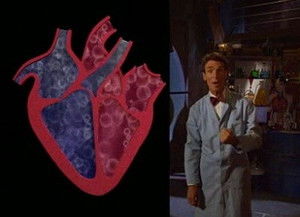 HeartFebruary 14, 1996—Your heart pumps your blood around your body, all hours, every day of the week, to keep you alive. Your heart is about the size of your fist
 - S04E17
 InventionsFebruary 21, 1996—Almost everything around you, from paper clips to computers, was thought of, designed, and built by humans. An invention can be a totally ne
 - S04E18
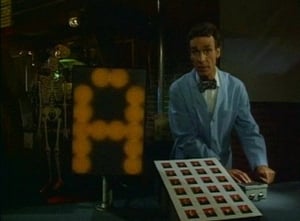 ComputersApril 25, 1996—With special guest, Mick H. Computers are used throughout the world all the time. Computers are in cars, calculators, televisions – you’re e
 - S04E19
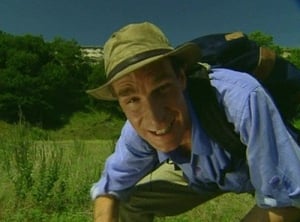 FossilsSeptember 5, 1997—Most dead animals and plants break up, get decomposed, and become part of the soil, but some turn into fossils. A fossil forms when a plant
 - S04E20
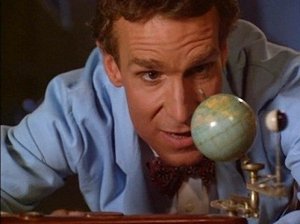 TimeSeptember 12, 1997—Time affects every living thing on Earth. Trees shed their leaves. Some animals only come out at night. There are even insects that only eme
Season05
- S05E01
 ForensicsSeptember 19, 1997—Forensic scientists try to find out the who, what, when, where, and why of events in the past – crimes. Most forensic scientists work in pol
 - S05E02
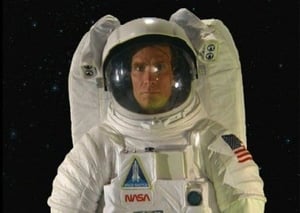 Space ExplorationSeptember 26, 1997—Space is hard to explore, because it’s really, really big. Most things in space are so far away that people we build special equipment just
 - S05E03
 GenesOctober 17, 1997—The color of your eyes, the shape of your nose, and the straightness (or curliness) of your hair depend on your genes. Not jeans the pants,
 - S05E04
 ArchitectureOctober 24, 1997—Towers, teepees, castles, and condominiums – some kind of planning goes into all buildings, no matter how big or small. Architects are peopl
 - S05E05
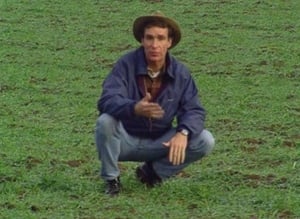 FarmingOctober 31, 1997—Before food gets into your kitchen, before it even gets to the store, it’s on a farm. Almost everything we eat is grown on a farm, an area o
 - S05E06
 Life CyclesNovember 14, 1997—My, how you’ve grown! The popular exclamation from your Auntie may be no great revelation, but growing bigger is a part of life. In fact, it
 - S05E07
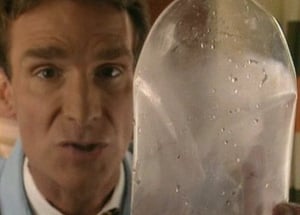 Do-It-Yourself ScienceNovember 21, 1997—Do-it-yourself science involves a question, observations, a hypothesis, and experimentation. You have probably come up with questions after
 - S05E08
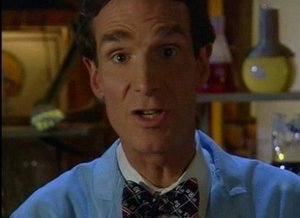 Atoms & MoleculesNovember 28, 1997—Atoms are reeeeally small. They are so small that you can’t see them with just your eye. It takes as many as 10 million of them side-by-side
 - S05E09
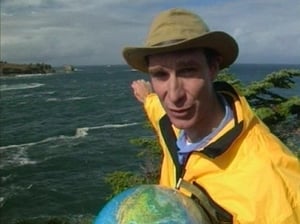 Ocean ExplorationDecember 5, 1997—Ocean exploration is a tricky, risky business since humans can’t naturally survive under the ocean. Ocean explorers are constantly inventing
 - S05E10
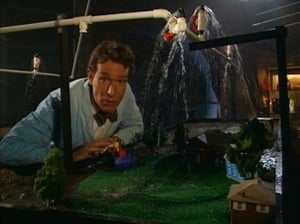 Lakes & PondsFebruary 21, 1998—What do you get when you have a big hole in the ground and some water? Lakes and ponds. All lakes and ponds have one thing in common – they
 - S05E11
 SmellFebruary 28, 1998—How do noses work? Objects give off tiny amounts of tiny molecules into the air. When just a few of these molecules get up your nose, they d
 - S05E12CavesApril 25, 1998—Caves come in all different shapes and sizes depending on how they were formed. Spelunkers (people who explore caves) have plenty of descrip
- S05E13
 FluidsMay 2, 1998—Fluids are cool; they ooze and swoosh. Whatever container you put a fluid in, that fluid will take the same shape. Milk poured into a pitche
 - S05E14
 ErosionMay 9, 1998—Dirt, sand, and rock from the Earth’s surface gets blown, sliced, torn, swallowed and distributed all over the world. What was yesterday’s h
 - S05E15
 Comets & MeteorsMay 16, 1998—Outer space is full of stuff. We’re not just talking about planets and moons. There are some bits and pieces, too small to be noticed most o
 - S05E16
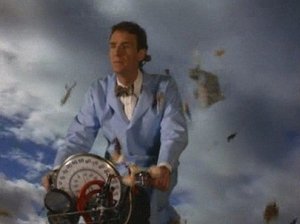 StormsMay 23, 1998—Storms are big, loud, and often accompanied by rain, snow, sleet, or hail. Where do these wild, dangerous, and necessary tornadoes, hurrican
 - S05E17
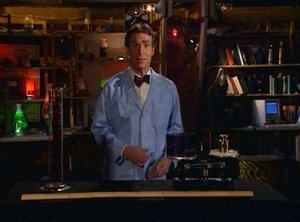 MeasurementMay 30, 1998—Did you know that the Concorde moves 300,000 times faster than a land snail? Or that a giant redwood can be as tall as a 35-story apartment
 - S05E18
 PatternsJune 6, 1998—Every time you look at something, hear something, touch something, smell something, or taste something, your brain collects a little informa
 - S05E19
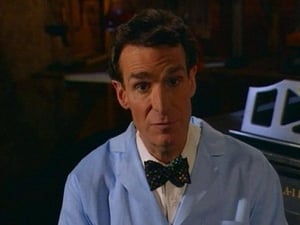 Science of MusicJune 13, 1998—Music is the art and science of expressing ideas and feelings through sound. A sad song can say more about how someone feels than most words
 - S05E20
 MotionJune 20, 1998—Things can appear to be moving, when they really aren’t. Sometimes an object might seem to be at rest, even when it is in motion. It’s all r
Cast
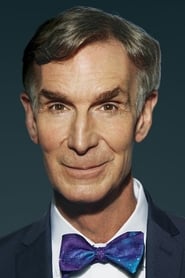
Photos
View all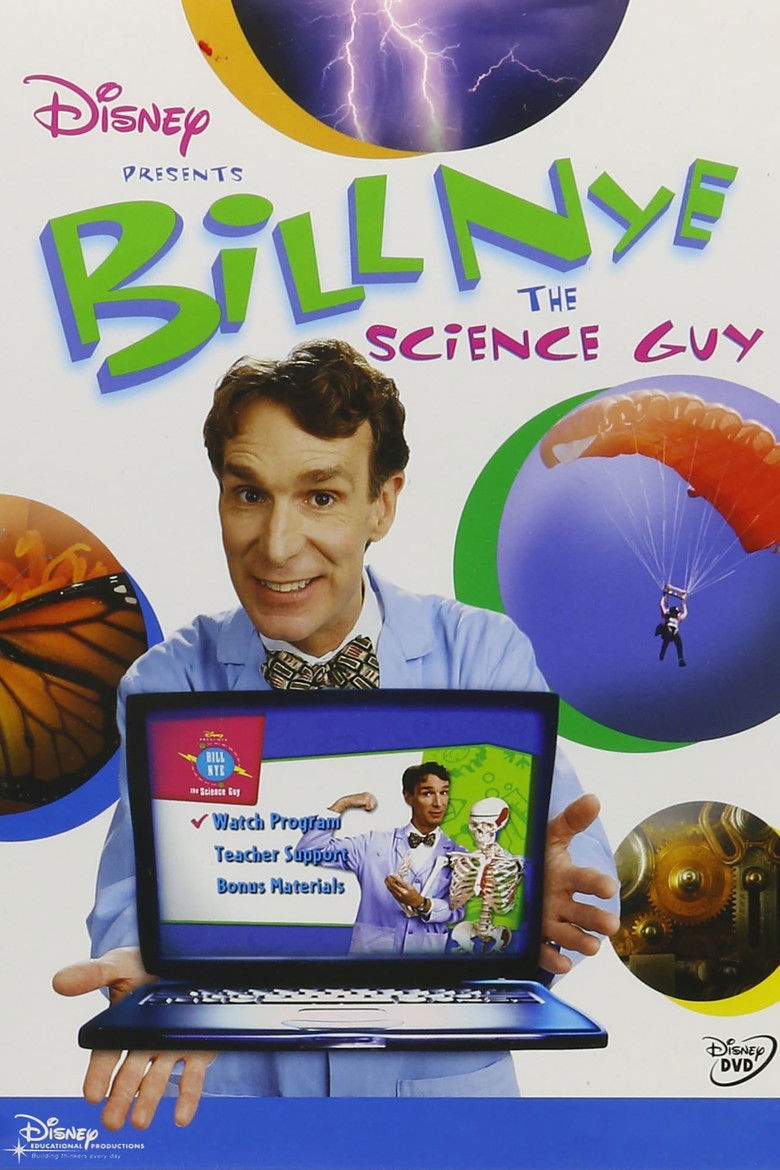
Bill Nye the Science Guy
Poster · 1 of 10
Trailers & Videos
View all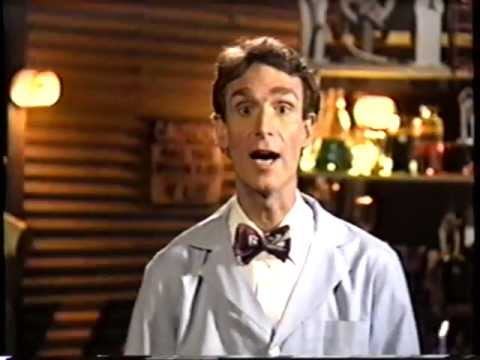
Shows like Bill Nye the Science Guy all similar shows
The closest matches on shared genres, ranked by match strength and popularity.
- 01Comedy·DocumentaryGood Eats1999Host Alton Brown explores the origins of ingredients, decodes culinary customs and presents food and equipment trends.Compare
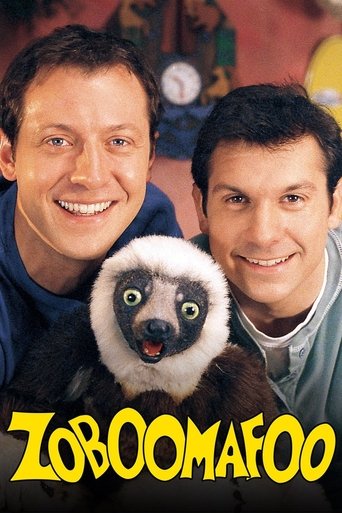
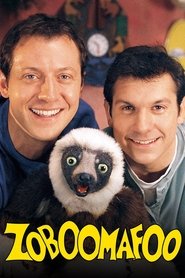
- 02Comedy·Kids·DocumentaryZoboomafoo1999Zoboomafoo is an American children's television series that aired from January 25, 1999, to April 28, 2001, and is still shown today in syndication depending on the area, and it is regularly shown on PBS Kids Sprout.Compare
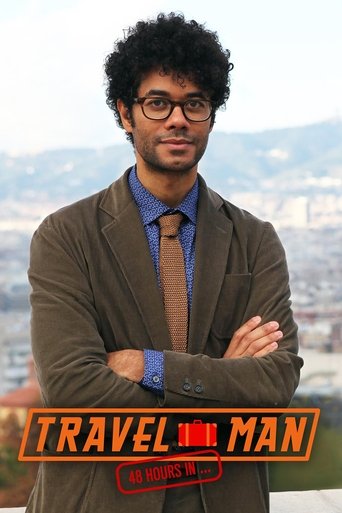
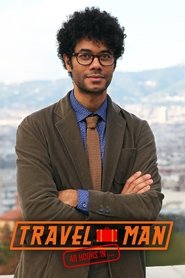
- 03Comedy·DocumentaryTravel Man: 48 Hours in...2015British comedian Richard Ayoade (later taken over by Joe Lycett), accompanied by a celebrity guest, takes a ruthlessly efficient approach to travel, covering everything top tourist destinations have to offer in just 48…Compare
- 04Comedy·DocumentaryAdam Ruins Everything2015Host Adam Conover employs a combination of comedy, history and science to dispel widespread misconceptions about everything we take for granted.Compare
- 05Comedy·DocumentaryTop Gear2010Hosts Tanner Foust, Adam Ferrara and Rutledge Wood embark on adventures as they test cars in extreme stunts, intense challenges and first-person reviews using their unique perspectives.Compare
- 06Documentary·ComedyBrainiac: Science Abuse2003Brainiac is The Alternative science series that shows you the experiments you were never allowed to do in school.Compare


Head-to-head pick any opponent
Stack Bill Nye the Science Guy's full episode-rating history against a rival, on one chart.
Keep exploring top shows
Short on time? The pilot-to-finale shortcut, only the episodes that matter.
MatchupCompare with another showTwo shows' episode ratings on one chart — settle it.
NetworkBest PBS showsMore from the same network, ranked by rating.
GenreBest comedy shows & filmsThe top of the comedy pile, across both mediums.
GenreBest documentary shows & filmsThe top of the documentary pile, across both mediums.